
4-Methylumbelliferone (4-MU): the coumarin that inhibits hyaluronan synthesis
A plain-language compound record on 4-MU — a small coumarin that turns down the body's production of hyaluronic acid, doubles as the workhorse fluorescent probe of the biochemistry bench, and lives a second life as the European bile drug hymecromone. Compiled by Panacea Bio Chem.
- Compound
- 4-Methylumbelliferone (4-MU; hymecromone; 7-hydroxy-4-methyl-2H-chromen-2-one)
- Molecular formula
- C₁₀H₈O₃
- Molar mass
- ≈ 176.17 g/mol
- Class
- Coumarin (benzopyran-2-one); a 4-methyl derivative of umbelliferone
- PubChem CID
- 5280567
- Primary action studied
- Hyaluronic-acid (hyaluronan) synthesis inhibitor
- Other roles
- Fluorescent probe (blue emission); choleretic / biliary antispasmodic drug (hymecromone)
- Solubility
- Sparingly water-soluble; readily dissolved in ethanol / DMSO; phenol pKₐ ≈ 7.8
- Status
- Laboratory reagent; investigational HA modulator; approved as hymecromone in parts of Europe & Asia (not FDA-approved in the US)
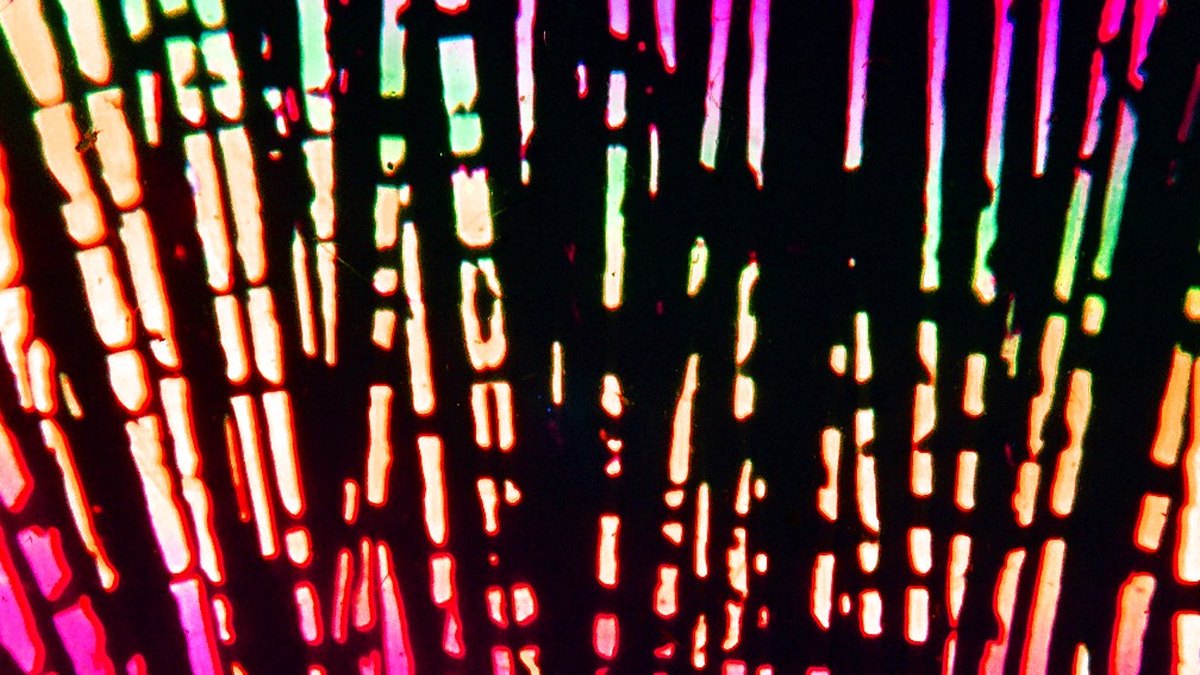
4-Methylumbelliferone — 4-MU — is a small coumarin best known for one striking effect: it lowers how much hyaluronic acid (hyaluronan, HA) a cell produces. It does so by two routes at once — the cell glucuronidates 4-MU and, in doing so, burns through the pool of UDP-glucuronic acid that hyaluronan synthase needs as a raw material, while 4-MU also turns down expression of the synthase genes HAS2/HAS3. The very same molecule is the classic blue fluorophore of enzyme assays, and, as the drug hymecromone, it has been used for decades in Europe and Asia to encourage bile flow. This record walks from what 4-MU is, through hyaluronan biology and the research frontier in fibrosis, cancer stroma and autoimmunity, to the quieter engineering question of keeping a fragile investigational small molecule intact from synthesis to use. Nothing here is medical advice.
1.What 4-MU is
4-Methylumbelliferone, or 4-MU1, is a coumarin — one of a large family of plant-derived compounds built on a fused double-ring (a benzene ring welded to a small oxygen-containing lactone ring). Its parent, umbelliferone (7-hydroxycoumarin), takes its name from the Umbelliferae — the carrot-and-fennel plant family whose flat, umbrella-like flower heads are rich in these compounds. Add a methyl group at position 4 and a hydroxyl at position 7 and you have 4-MU: chemically 7-hydroxy-4-methylcoumarin.
On the bench it is an off-white crystalline powder, only sparingly soluble in water but happy in ethanol or DMSO. Its single most useful chemical feature is that free phenol at position 7: deprotonate it and the molecule fluoresces a vivid blue. Protonate it and the glow dims. That pH-switchable blue light is the reason half the biochemistry world has a bottle of a 4-MU derivative in the fridge — a point we return to below.
For a long time, that was 4-MU's whole reputation: a convenient dye. The surprise came when people looked at what it did to the cells it was sitting in.
2.Hyaluronan — the molecule 4-MU turns down
Hyaluronic acid2 — hyaluronan, or HA — is one of the body's most abundant large molecules: a long, unbranched sugar chain (a glycosaminoglycan) that holds water, cushions joints, fills the space between cells and gives skin its plumpness. In the right amount it is structural and protective. In the wrong amount — overproduced, or chopped into small fragments — it becomes a signal, and often a harmful one.
Cells build hyaluronan at the membrane using three enzymes, the hyaluronan synthases HAS1, HAS2 and HAS3. Each synthase stitches together two activated sugars over and over: UDP-glucuronic acid and UDP-N-acetylglucosamine. Run short of either building block, or lower the amount of synthase present, and HA production falls. Those are precisely the two levers 4-MU pulls.
Excess hyaluronan is a recurring character in disease. It accumulates in fibrotic tissue, builds a water-swollen shield around many tumours, and helps steer immune cells in inflammation and autoimmunity. A tool that lowers HA on demand is, therefore, a tool worth having.
3.How 4-MU depletes hyaluronic acid
4-MU is unusual among inhibitors in that it does not simply block the synthase like a plug in a keyhole. It starves and silences it — two mechanisms working together.
Mechanism one: draining the sugar pool
Inside the cell, 4-MU is a favoured substrate for the UDP-glucuronosyltransferase enzymes, which tag it with a glucuronic-acid group to prepare it for excretion. Each tagging event spends one molecule of UDP-glucuronic acid3. Feed a cell enough 4-MU and it glucuronidates it relentlessly, drawing down the very UDP-glucuronic-acid pool that hyaluronan synthase depends on. The synthase is left with half its raw material missing.
Mechanism two: turning down the gene
Separately, 4-MU lowers the expression of the synthase genes themselves — chiefly HAS2 and HAS3 — so the cell makes fewer synthase molecules to begin with. Less enzyme, and less for that enzyme to work with. The combined effect is a marked drop in the hyaluronan a cell exports.
| Lever | What 4-MU does | Net effect on HA |
|---|---|---|
| Substrate depletion | Is glucuronidated, consuming UDP-glucuronic acid | Raw material runs short |
| Gene downregulation | Lowers HAS2 / HAS3 expression | Fewer synthase enzymes made |
| Combined | Starve the enzyme and reduce its numbers | Hyaluronan output falls |
Because both levers act upstream of the enzyme rather than poisoning it directly, 4-MU has become one of the most widely used experimental tools for asking a simple question in a living system: what happens if we take the hyaluronan away?
4.The blue-glow probe
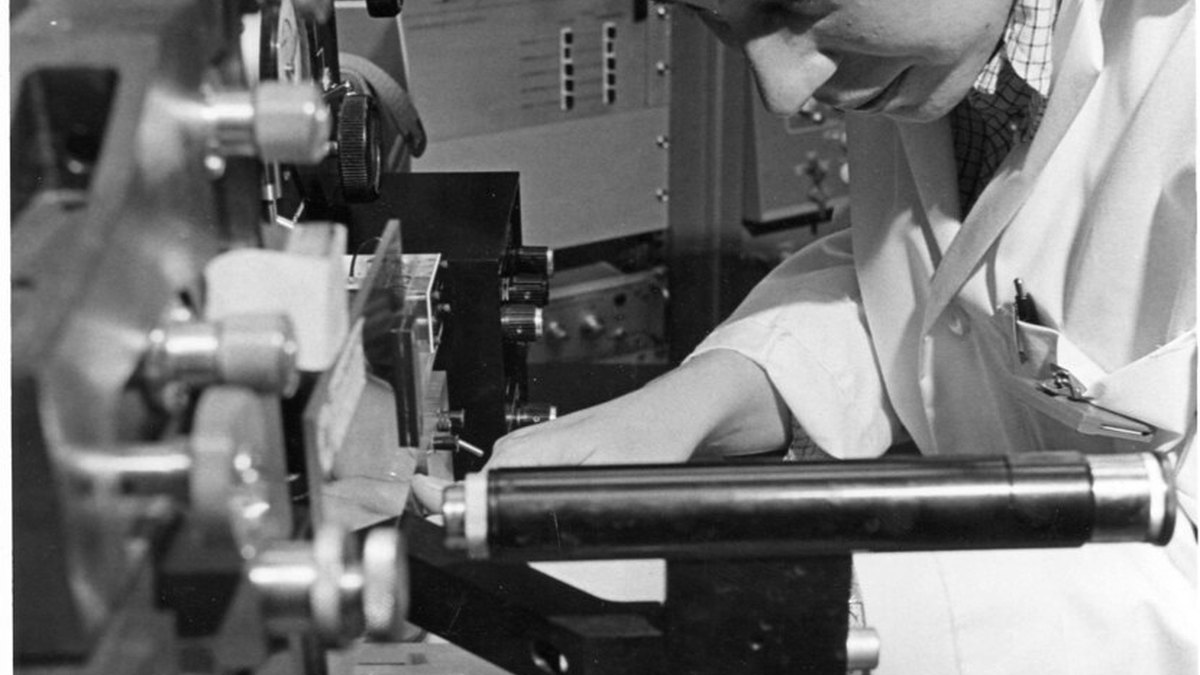
4-MU's day job is measurement. Chemists hang a sugar, a phosphate or a sulphate onto its position-7 hydroxyl to make a "caged," non-fluorescent substrate — for example 4-methylumbelliferyl-β-D-glucuronide or 4-MU phosphate. When the target enzyme (a glucuronidase, a phosphatase, a glycosidase) snips off that cap, free 4-MU is released and lights up blue. The amount of light is a clean, sensitive read-out of enzyme activity, which is why 4-MU substrates sit at the heart of countless clinical and research assays — from newborn screening for lysosomal enzyme disorders to water-quality testing.
This double identity — a reporter you measure and an active molecule that changes the cell — is exactly what made the discovery of its hyaluronan effect so unexpected.
5.Why it matters: the open frontier
If a single small molecule can lower hyaluronan across many cell types, then every disease where too much HA is part of the problem becomes a place to ask a question. Research — preclinical and early clinical, with the field still open — has explored 4-MU in several directions:
- Fibrosis4 — scarring of liver, lung, kidney and pancreas is accompanied by heavy hyaluronan deposition; lowering HA is studied as a way to interrupt the water-logged, stiffening matrix that fibrosis lays down.
- Cancer stroma — many aggressive tumours wrap themselves in an HA-rich shell that raises internal pressure, keeps drugs out and eases spread; reducing peritumoural HA has been examined in prostate, breast and pancreatic tumour models.
- Autoimmunity and inflammation — hyaluronan and its fragments help guide immune cells and shape their behaviour; 4-MU has been studied in models of autoimmune diabetes and other immune conditions, where lowering HA appeared to shift the immune balance.
- Metabolic and vascular biology — HA remodelling touches insulin signalling and the vessel-lining glycocalyx, both under investigation.
None of this is settled, and this record treats none of it as a finished result. What is clear is the shape of the opportunity: hyaluronan is a shared thread running through a surprisingly wide set of diseases, and 4-MU is the most accessible way yet found to pull on that thread.
6.Field note: the reporter dye that turned out to do something
The story of 4-MU is a small parable about looking twice at the tools you take for granted. For most of its working life this molecule was scenery. Its parent, umbelliferone, was a plant fluorophore — a natural sunscreen pigment in carrots, fennel and their relatives, absorbing ultraviolet light so the plant does not have to. Coumarins as a class trace back to the tonka bean, from the Tupi word cumaru, whose sweet hay-and-vanilla smell first drew chemists to the family in the 1820s.
Fitted with a bright, pH-switchable blue glow, 4-methylumbelliferone became the reporter dye of the enzyme-assay era — the thing you measured, never the thing that acted. Then researchers studying hyaluronan noticed something odd: cells bathed in 4-MU quietly stopped making it. The reporter was doing chemistry of its own. What had been a passive indicator turned out to be an upstream regulator of one of the body's most important matrix molecules — and the humble bile drug hymecromone, sold across Europe for years, was revealed to be the same compound.
A dye chosen only because it glowed turned out to hold a lever on hyaluronan biology. It is the oldest lesson in chemical biology, learned again: the molecule you use as a ruler may be quietly rearranging the room it is measuring.
7.Where Panacea Bio Chem works
Panacea Bio Chem designs and formulates fragile bioactive molecules — custom peptides above all — and researches this sphere, the biochemistry of small, sensitive actives and the matrix they move through. Its interest in 4-methylumbelliferone is not the clinical dosing, which belongs to medicine; it is two questions the compound raises that sit squarely in Panacea's craft.
The first is the matrix itself. Hyaluronan is the very shield that keeps drugs and peptides out of a tumour or a fibrotic tissue — the delivery barrier a designed molecule has to cross. A tool that thins that shield is directly relevant to how a therapeutic peptide reaches its target. The second is preservation: 4-MU is a light- and oxidation-sensitive phenol, an investigational active whose usefulness depends entirely on how much of it survives, intact and identical, from synthesis to the point of use. That last mile is the sphere Panacea researches, through proprietary methods first built for peptides and biologics:
- Gentle water removal that does not cook or collapse a fragile solid — Cryolapse™, freeze-drying the way nature would → — keeps a heat- and light-labile compound out of harm's way while it dries.
- Holding a dried product as a still, glassy solid rather than a restless powder — TgShift™, raising the glass-transition ceiling → — slows the molecular motion that ages an active in storage.
- Isolating an oxidation-prone phenol from the oxygen and trace metals that quietly degrade it — RedoxVault™, a vault against oxidation → — speaks directly to a molecule as easily oxidised as 4-MU.
- The custom-synthesis discipline itself — designed, made-to-spec molecules → — where purity and identity are engineered in from the first step rather than corrected later.
The precise formulations, parameters and hardware that make these methods repeatable remain proprietary to Panacea Bio Chem, held by Bogdan Dicoias — who works largely out of view — the outline is here; the recipe stays behind the door.
8.Potential application fields
Where would a dependable way to lower hyaluronan — and to keep a fragile HA-modulating molecule intact — hit hardest? A few directions where the unmet need is largest, offered as research inspiration rather than finished claims:
- Priming the tumour barrier — thinning the hyaluronan shell around a solid tumour so that a co-administered peptide, antibody or chemotherapeutic actually reaches the cancer; the barrier problem, not the payload, is often the wall.
- Anti-fibrotic matrix control — organs where hyaluronan-heavy scarring drives failure (liver, lung, kidney) are among medicine's largest unmet needs; a matrix-thinning adjunct is a direction worth probing.
- Immune-tone modulation — using controlled HA reduction to nudge immune behaviour in autoimmune and inflammatory settings, where blunt immunosuppression is the current, costly default.
- Stabilised investigational formulations — the same drying, glass-matrix and anti-oxidation tools built for peptides transfer naturally to a light-sensitive coumarin, so that what leaves the bench is what arrives at the study.
These are framed as research directions and open questions — inspiration for future work, not claims of completed products.
Frequently asked
What is 4-methylumbelliferone (4-MU)?
A small coumarin molecule (7-hydroxy-4-methylcoumarin). It is studied because it lowers how much hyaluronic acid a cell makes, it is the fluorescent reporter released in many enzyme assays, and, as the drug hymecromone, it has long been used in parts of Europe and Asia to promote bile flow. This is an educational record; nothing here is medical advice.
How does 4-MU reduce hyaluronic acid?
Two ways at once. It is itself glucuronidated in the cell, which spends the UDP-glucuronic acid that hyaluronan synthase needs as a building block, so raw material runs short; and it lowers expression of the synthase genes HAS2 and HAS3. Together these deplete hyaluronan. It is investigational for this purpose.
Is 4-MU the same as hymecromone?
Yes. Hymecromone is the medicinal name for 4-methylumbelliferone, marketed for decades in several European and Asian countries as a choleretic and biliary antispasmodic. The same molecule is used in laboratories as a fluorescent probe and studied as a hyaluronan-synthesis inhibitor. It is not FDA-approved in the United States.
Trending in the field
Recent developments in the field — refreshed 2026-09-09 by Panacea Bio Chem.
- Protein Kinase C Promotes Notch1 Cleavage Through Both Ligand-Dependent and Hyaluronic Acid-ADAM10-Dependent Mechanisms — PubMed, 2026 Jul 27
- Development and OECD-Guided Experimental Validation of Eigenvalue-Based QSAR Models for Skin Permeation — PubMed, 2026 Jul 5
- 4-Methylumbelliferone for type 1 diabetes therapy: evidence for β-cell protection via EGFR/PI3K/Akt signaling — PubMed, 2026 Jun 29
- Fraxetin Inhibits UGT1A1 and UGT1A9 Activities In Vitro: Inhibition Kinetics, Molecular Dynamics Simulation, and Prediction of Herb-Drug Interaction Risk — PubMed, 2026 Jun 22
References & further reading
- 4-Methylumbelliferone (hymecromone) — overview. Wikipedia. Compound entry: PubChem CID 5280567.
- Hyaluronic acid (hyaluronan) — structure and biology. Wikipedia.
- 4-MU as a hyaluronan-synthesis inhibitor via UDP-glucuronic-acid depletion and HAS downregulation. PubMed.
- 4-Methylumbelliferone in fibrosis, cancer and autoimmunity — research reviews. PubMed.
- Umbelliferone and the coumarin family — plant origin and chemistry. Wikipedia.
- Hymecromone as a choleretic / biliary antispasmodic. PubMed.


